
Whoa! I remember pulling a tiny card from my pocket and thinking, this actually could replace a bulky device. The first time I tapped a Tangem card to my phone I was surprised at how instinctive it felt. The motion is simple, no cables, no PINs typed into a screen you don't trust, just a tap. But here's the thing—simplicity hides complexity beneath the surface, and that complexity deserves a closer look.
Initially I thought this would be another convenience gimmick. Actually, wait—let me rephrase that: I expected convenience, but I also expected compromise. On one hand the form factor is brilliant; on the other hand hardware security models don't magically shrink just because the device is a credit-card. My instinct said to be cautious. Hmm... somethin' about trusting a card that looks like a gift card made me second-guess at first.
Okay, so check this out—Tangem cards are NFC-backed smartcards that store private keys inside a secure element, and the Tangem app acts as the user interface for transactions. The card never reveals private keys; it signs transactions inside the secure chip and sends only signatures. That architecture reduces attack surface in a way that feels very very reassuring if you use it correctly. Still, there are practical tradeoffs to accept—backup models, recovery, and threat assumptions change when you move from seed phrases to physical cards.
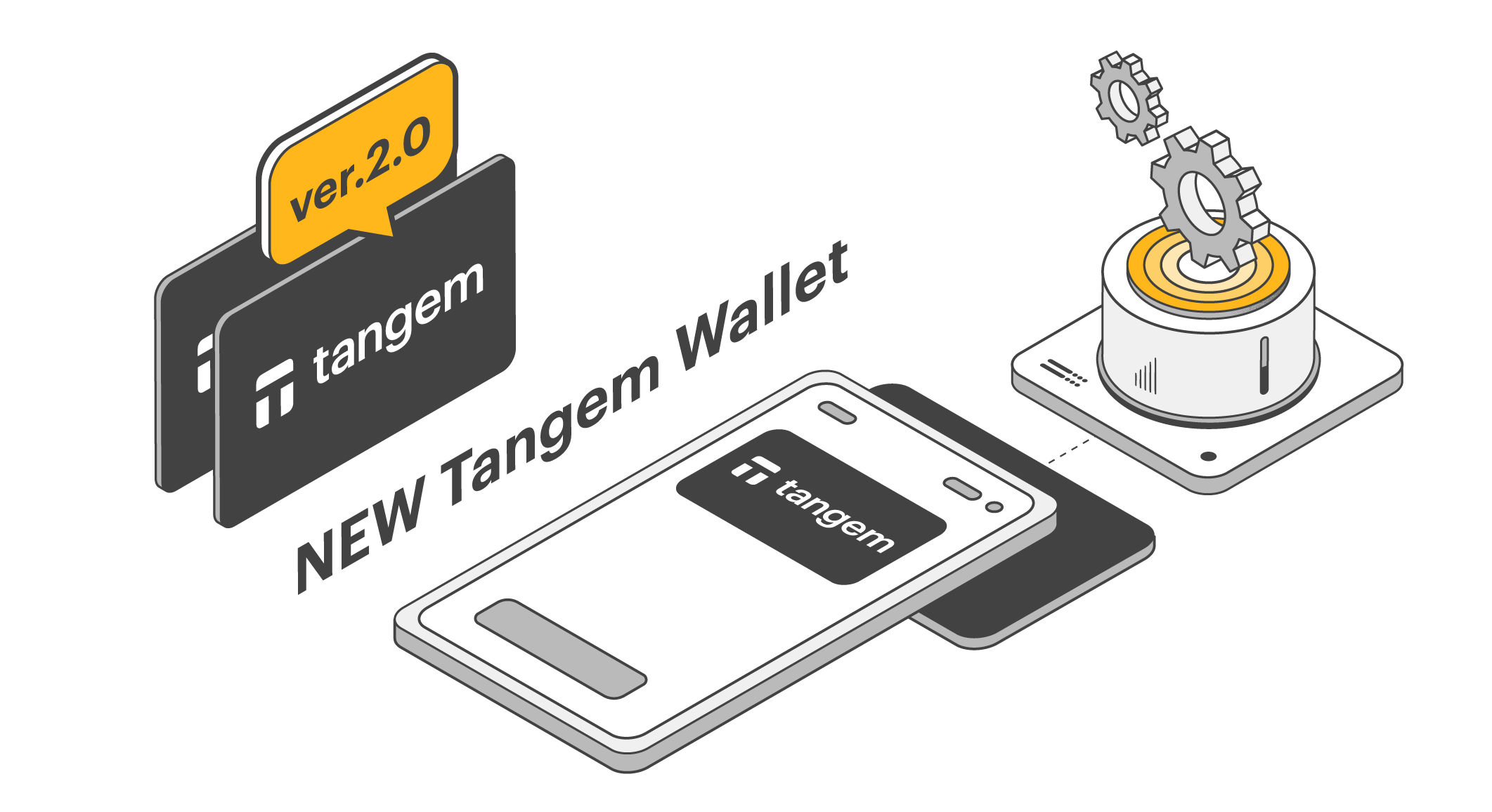
What using Tangem actually feels like
Short answer: fast and tactile. Longer answer: it feels less like setting up a hardware wallet and more like setting up a new credit card. Seriously? Yes. You open the app, tap the card, and the phone identifies the card's public key. Medium-level friction—pairing once, maybe labeling, and you're ready. For everyday payments or quick access to keys, that tap-and-go flow is addictive.
But wait—there's more. On a technical level the card's secure element isolates the key material from every other system. This reduces remote-exploit possibilities and makes phishing attacks harder because the private key never leaves the chip. However, you're introducing a different risk model: physical loss, theft, or damage to the card now have higher stakes than before. On the plus side, Tangem supports multiple cards and card backups that you can hold in different locations (I keep one in a safe and one with a trusted relative—I'm biased, but it helps my peace of mind).
Here's what bugs me about many NFC wallets: some vendors oversimplify recovery. Tangem's approach is less flashy but more realistic: you can use single cards for single keys or use multiple cards in a multi-sig or shard-like setup depending on your chosen product. There is no magic cloud recovery unless you explicitly opt-in to third-party services, so if you lose every single copy you lose access. That's a clear tradeoff and it's worth repeating because people underestimate it.
On one hand, the user experience beats fiddling with micro-USB cables and passphrases in public. On the other hand, you need a different kind of operational discipline—storing cards in separated physical locations, testing recovery cards periodically, and educating any co-signers if you use multi-card setups. Also, some phones have weaker NFC implementations which can cause hiccups. In my experience iPhones and modern Android phones behave well, though older models can be flaky—keep that in mind.
How the Tangem app ties it together
The app is intentionally minimalist. It shows balances, lets you build and sign transactions via the card, and pushes the signed transaction to the network. There's little fluff. You don't get heavy key management features that confuse beginners, and that's by design. I appreciate that, but power users might find themselves wanting more—more advanced settings, batch operations, or query tools.
If you want to read more about the product or check compatibility, here's the official resource I used while testing: tangem. The site has specs and use-case notes that helped me set expectations correctly (oh, and by the way... the docs are practical, not marketing fluff). That one link is pretty much the gateway before you buy, so check it out first.
Practically speaking, the app/card combo is great for people who care about convenience but also want hardware-grade keys. It removes the daily friction of pairing cables or lugging an external device, and it integrates nicely into a mobile-first workflow. Use it for everyday holdings you want to secure better than an exchange, or as one leg of a diversified custody approach (hot wallets for small daily amounts, Tangem cards for daily-but-secure access, and deep-cold storage elsewhere).
On the security front: know your threat model. If you're defending against remote hacks and phishing, Tangem helps a lot. If you're defending against a skilled physical attacker who can coerce you, then no device is foolproof. I like the practical hardness of the chip: extracting keys is not something a casual thief can do. Still, if someone takes your card and your phone unlock method is weak, they might move funds if you give them the card and the phone—so protect both.
Tips, quirks, and real-world notes
Label cards as soon as you set them up. Keep a small index in a secure place that says which card is which. Seriously—labelling saves time and prevents accidental mistakes months later. Also, test a recovery card before you rely on it; don't assume "it worked" because setup completed. Test it. Test it again. I'm not 100% sure why people skip this, but they do.
Also: be mindful of firmware updates. Some features are added post-sale, and occasionally the update path requires attention. In one of my trials the app prompted a firmware update that fixed a transaction compatibility quirk with a particular token. It was painless, but the experience varied by batch—so check release notes and keep your app version current.
As for everyday carry, the Tangem card fits wallet slots and survives well; it's about as durable as a high-quality credit card. It won't bend under normal conditions. But don't microwave it (sounds obvious, right?), and keep it away from extreme heat or industrial NFC blockers during shipping or storage or you'll stress the chip.
FAQ
How do I recover funds if I lose my Tangem card?
Recovery depends on the product: some Tangem setups support backups via additional cards or multi-card schemes. If you purchased a single card without a backup, recovery is typically not possible. Plan ahead: set up backups or use Tangem's recommended multi-card solutions if you want redundancy.
Is the Tangem app safe to use on any phone?
The app itself is designed to work broadly, but phone security matters. Keep your OS updated, use a strong phone lock (biometrics plus PIN where possible), and avoid rooting/jailbreaking your device. Older phones may have NFC issues—test before relying on them for large transfers.
Can attackers extract private keys from the card?
Not realistically. The secure element is built to prevent key extraction; the card signs transactions internally and never exposes private keys. Physical hardware attacks require significant resources and specialized equipment, which makes casual extraction infeasible.
To wrap my own view into a short verdict: I like Tangem because it aligns security with everyday use. It's not flawless, and some parts of the user journey still need caution and discipline, but the convenience-security tradeoff is compelling for many people. I'm biased toward tools that people will actually use rather than lock up in a safe and forget; this fits that ethos. If you're comfortable with the physical-resilience tradeoffs and you adopt sound backup habits, the card-and-app flow may become your favorite way to keep keys close at hand... and for me, that's a win.